
Most people aren’t choosing their health habits deliberately – they’re reacting to whatever showed up on their feed last month. This matters because habit formation and trend-chasing work against each other at a mechanical level: research shows it takes an average of 66 days (and sometimes far longer) for a new behavior to become automatic, while wellness trends typically cycle every few weeks. If you switch habits before the first one has taken root, you’re permanently resetting the clock – which is a big part of why so many “healthy phases” don’t survive past a month.
Here’s the psychology and the data behind why this keeps happening.
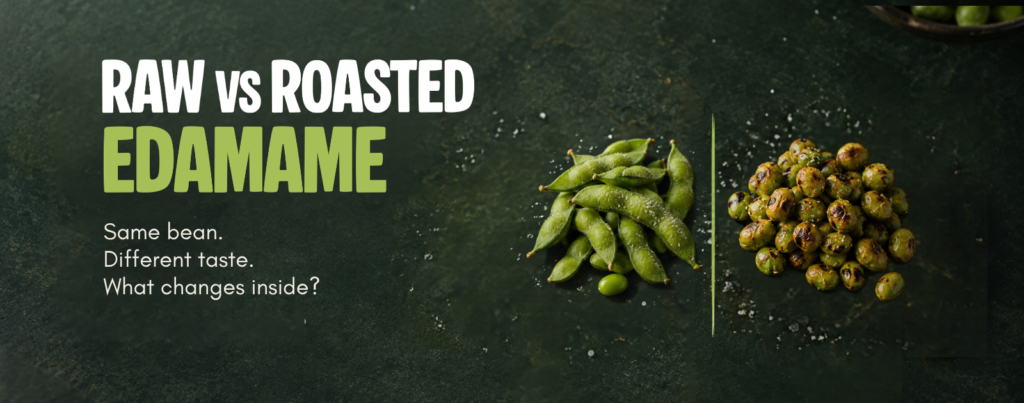
No. At moderate temperatures, roasting does not destroy edamame’s protein. Heat actually inactivates compounds in soy that block protein digestion, so the protein becomes easier for your body to use. Some heat-sensitive vitamins, like folate and vitamin C, do drop a little with any cooking method, and only extreme heat (very high temperatures, very long roasting, or deep-frying) starts to damage amino acids. That’s also why roasted, seasoned edamame in flavours like peri-peri and tangy-spicy has become such a popular way to snack while getting your protein in.
Here’s the science behind it, and what to look for in a roasted snack.

Because a wellness routine can look complete on paper and still miss the two things that actually create energy: sleep that’s deep enough to restore you, and a nervous system that isn’t running on low-grade stress hormones all day. Research on sleep fragmentation, chronic stress, and micronutrient status all point to the same
conclusion – you can hit every visible habit on your checklist and still feel drained, because fatigue is driven by things that don’t show up on a habit tracker.

Yes, you can eat edamame while on thyroid medication — but timing matters. Soy foods, including edamame, can reduce how much thyroid medication your body absorbs if eaten too close to your dose. The simple fix most doctors recommend: take your thyroid medication on an empty stomach, then wait at least 3–4 hours before eating edamame or any other soy food.
Once that gap is respected, a regular edamame habit — including roasted, seasoned versions in flavours like peri-peri, tangy, or cheesy-garlic — is generally considered safe for most people on thyroid medication, as shown in the picture.
That’s the short version. Here’s the full picture, including why this interaction happens and how to plan your day around it.

What is Edamame? Edamame is simply young, immature soybeans – harvested while they’re still green and tender, before they mature into the hard, dry soybeans used for tofu, soy milk or soy sauce. The pods are usually boiled or steamed in salted water and then either eaten straight from the pod or shelled for use […]
